Lumix SHX1 or Sony FX5? How the Two Compact Cinema Cameras Compare on RAW, ND and Dynamic Range
Panasonic’s Lumix SHX1 and Sony’s FX5 sit within $200 of each other. Here’s how they compare on RAW formats, dynamic range, ND, ports, weight and price.

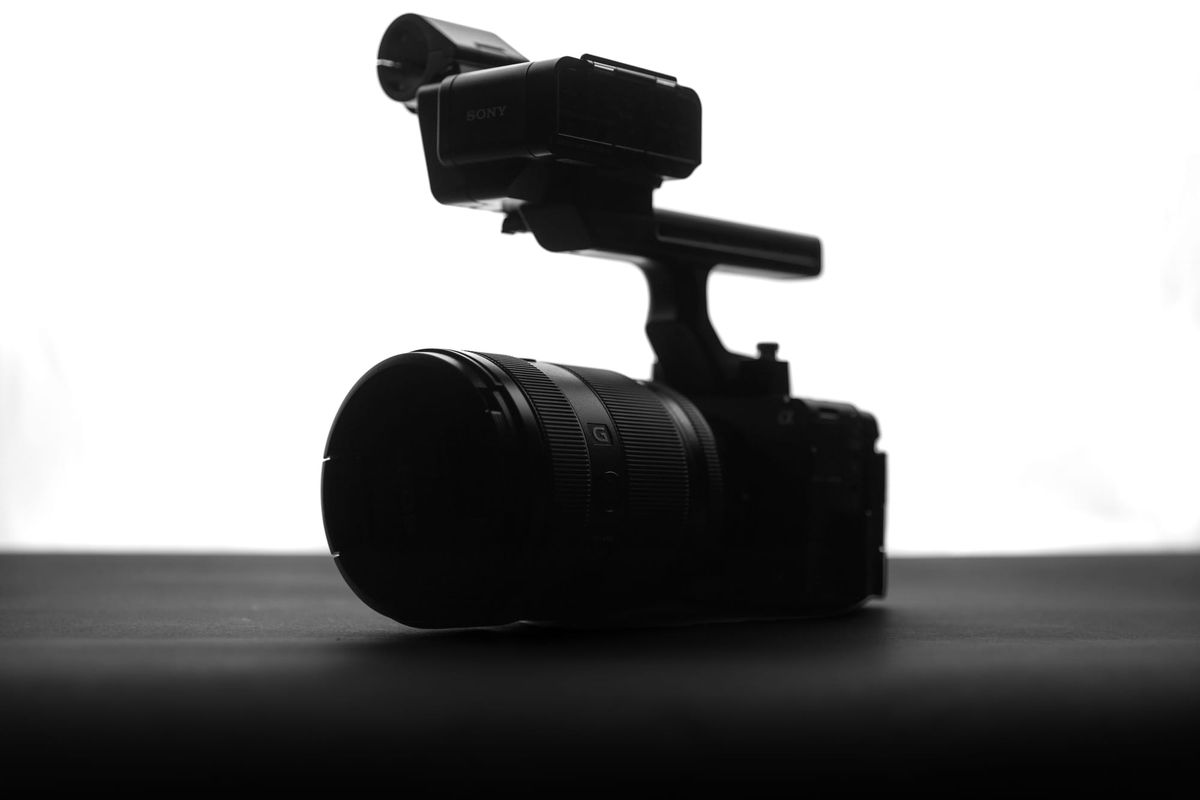
Panasonic’s Lumix SHX1 and Sony’s FX5 are priced within $200 of each other, and neither has an internal ND filter.
The SHX1 records ProRes RAW internally and adds 12G-SDI, ARRI LogC3 and 4K 120p with no time limit. The FX5 records X-OCN RAW internally, has a removable viewfinder option and weighs about 250g less.
At launch pricing, the SHX1 body is $4,699.99 and the FX5 body is $4,899.99. Both kits with an XLR handle are $5,499.99, though the SHX1 kit also includes a control grip.
Price and Availability
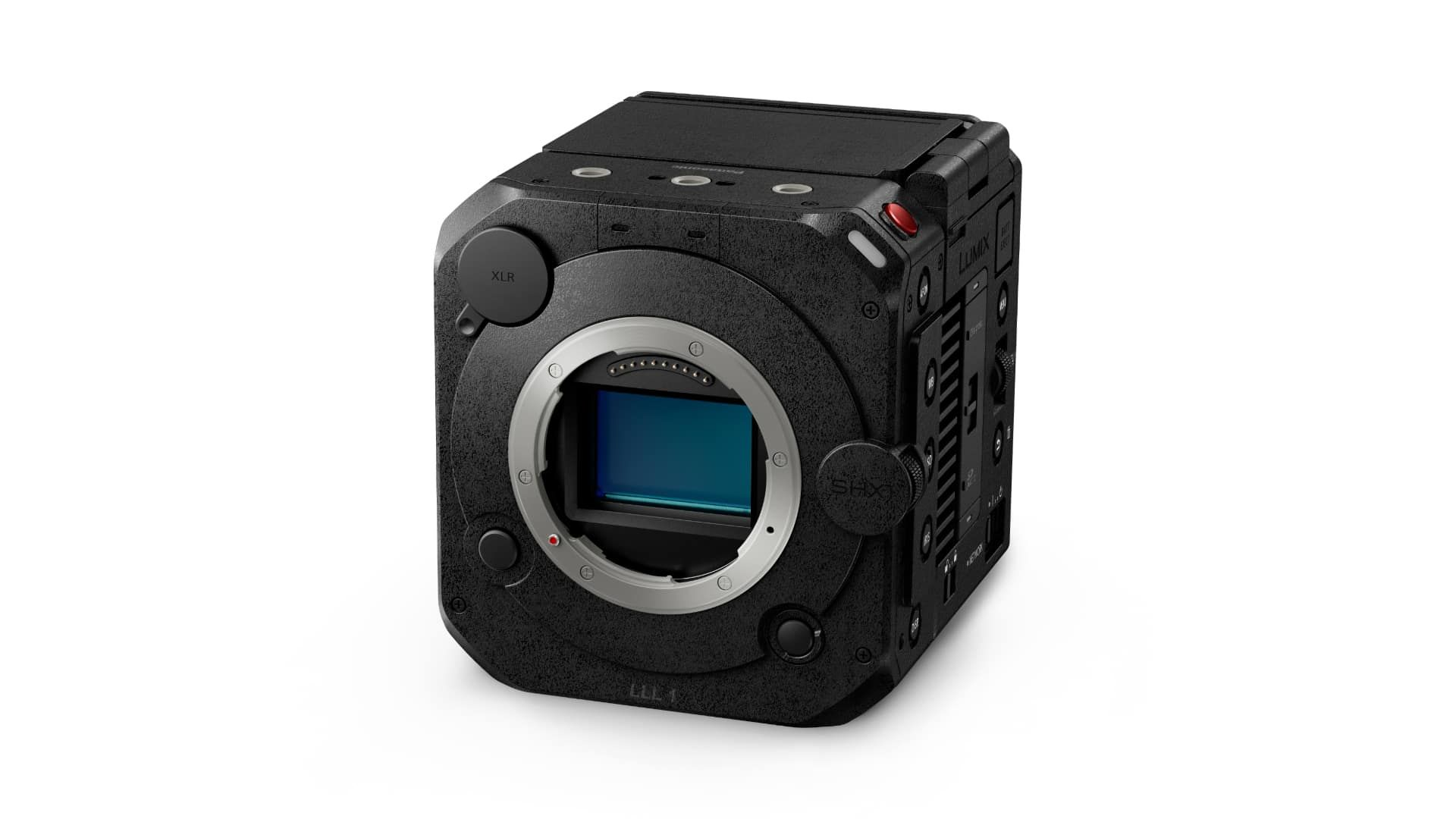
Panasonic lists the SHX1 at $4,699.99 body only and $5,499.99 for a kit with the XLR Handle Unit AU-XHU1 and Control Grip AU-GRP1. Panasonic’s release says it ships in stages from December 2026, with customer delivery expected in January 2027, according to CineD.
Sony launched the FX5 at $4,899.99 body only and $5,499.99 with the XLR-H2 handle. BRC covered its shipping timeline in Sony FX5 release date, November 20.
Exact current pricing is available on Panasonic’s and Sony’s websites.
Sensor and Dynamic Range
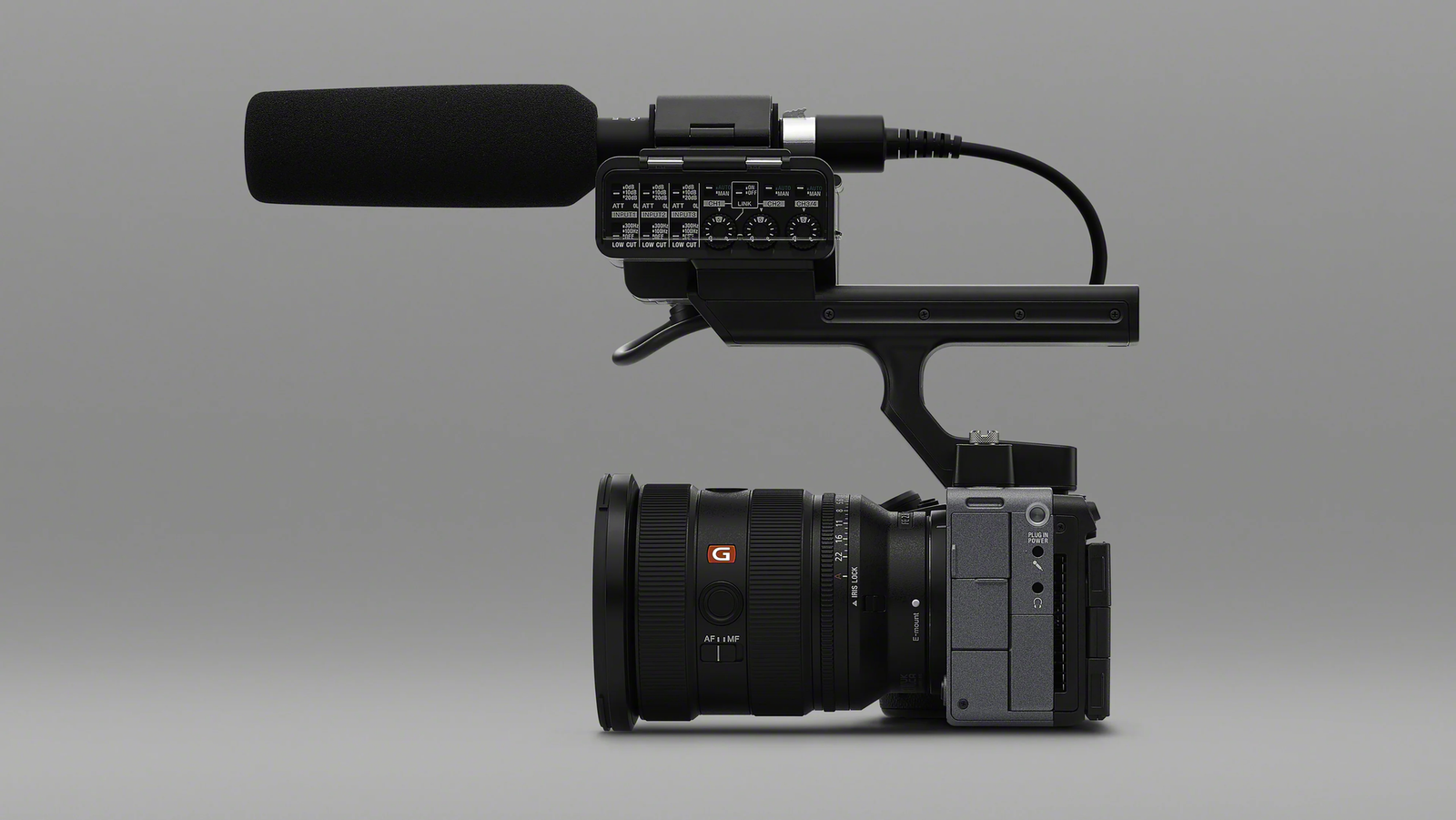
The SHX1 uses a 6K full-frame partially stacked CMOS sensor of about 24.1MP, with Dual Native ISO and an optical low-pass filter. Panasonic claims 15 stops of dynamic range in V-Log with Dynamic Range Boost on, and 14 or more with it off.
The FX5 uses a new 16.6MP fully stacked full-frame Exmor RS sensor with the BIONZ XR2 processor. Sony claims 15+ stops in S-Log3, rising to 16+ with Dual Gain mode, with three base ISOs of 800, 4000 and 12800.
CineD’s lab tests measured 14.3 stops for the SHX1 and 14.4 for the FX5 at SNR=1, which puts the two close in practice.
The SHX1 offers V-Log and ARRI LogC3. The FX5 records S-Log3.
Resolution and Frame Rates
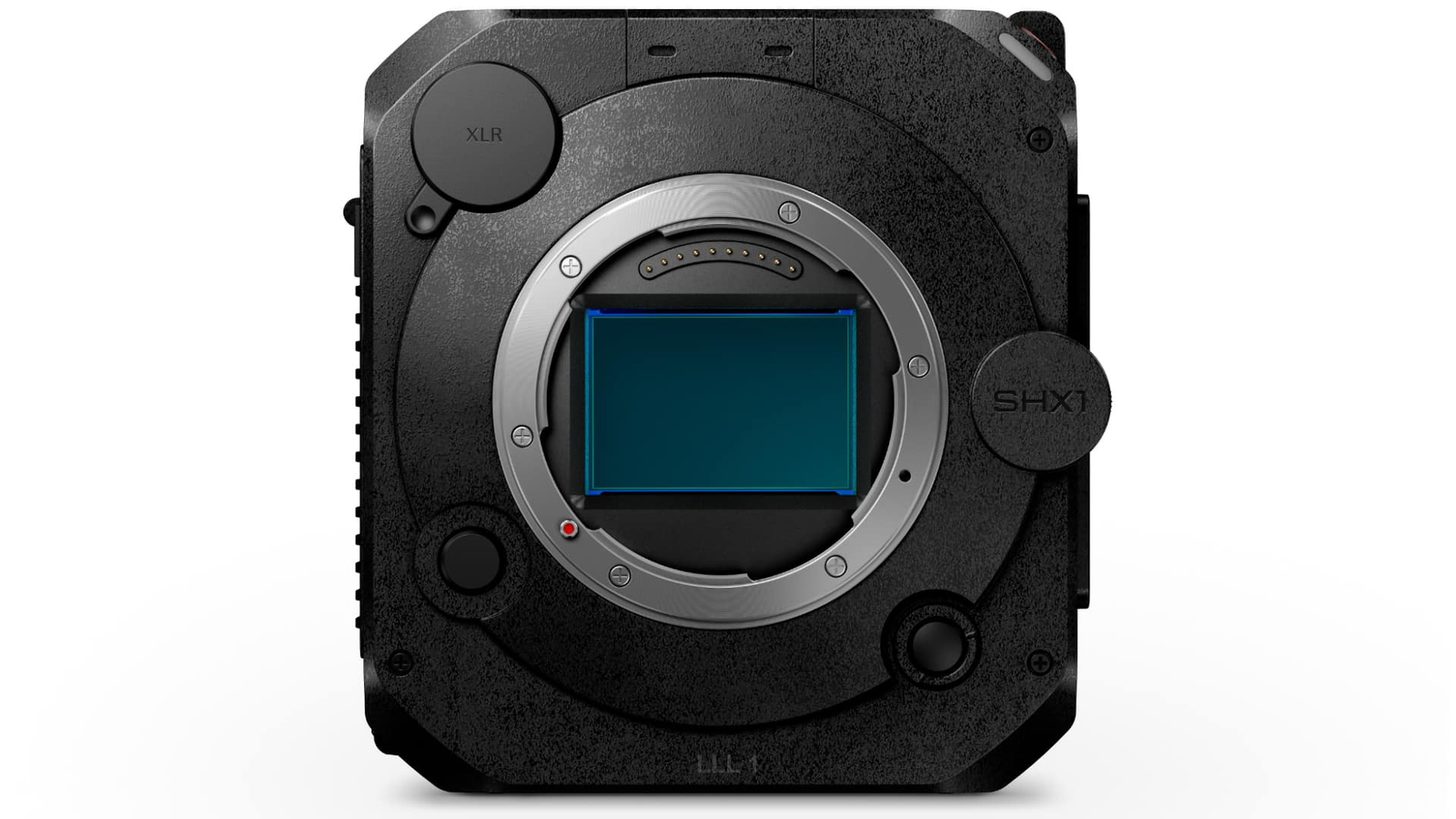
The SHX1 records 6K at 30p and 5.1K at 60p in 4:2:0 10-bit, 3.8K at 48p in 4:2:2 10-bit, and 4K at 120p with no time limit within its operating temperature range.
The FX5 records 5K up to 60p and 120p at 4K-class resolution, with launch coverage listing it as 4K in some places and 4.5K in others. Sony plans 4K 240p through a 2027 firmware update.
RAW Recording and Open Gate
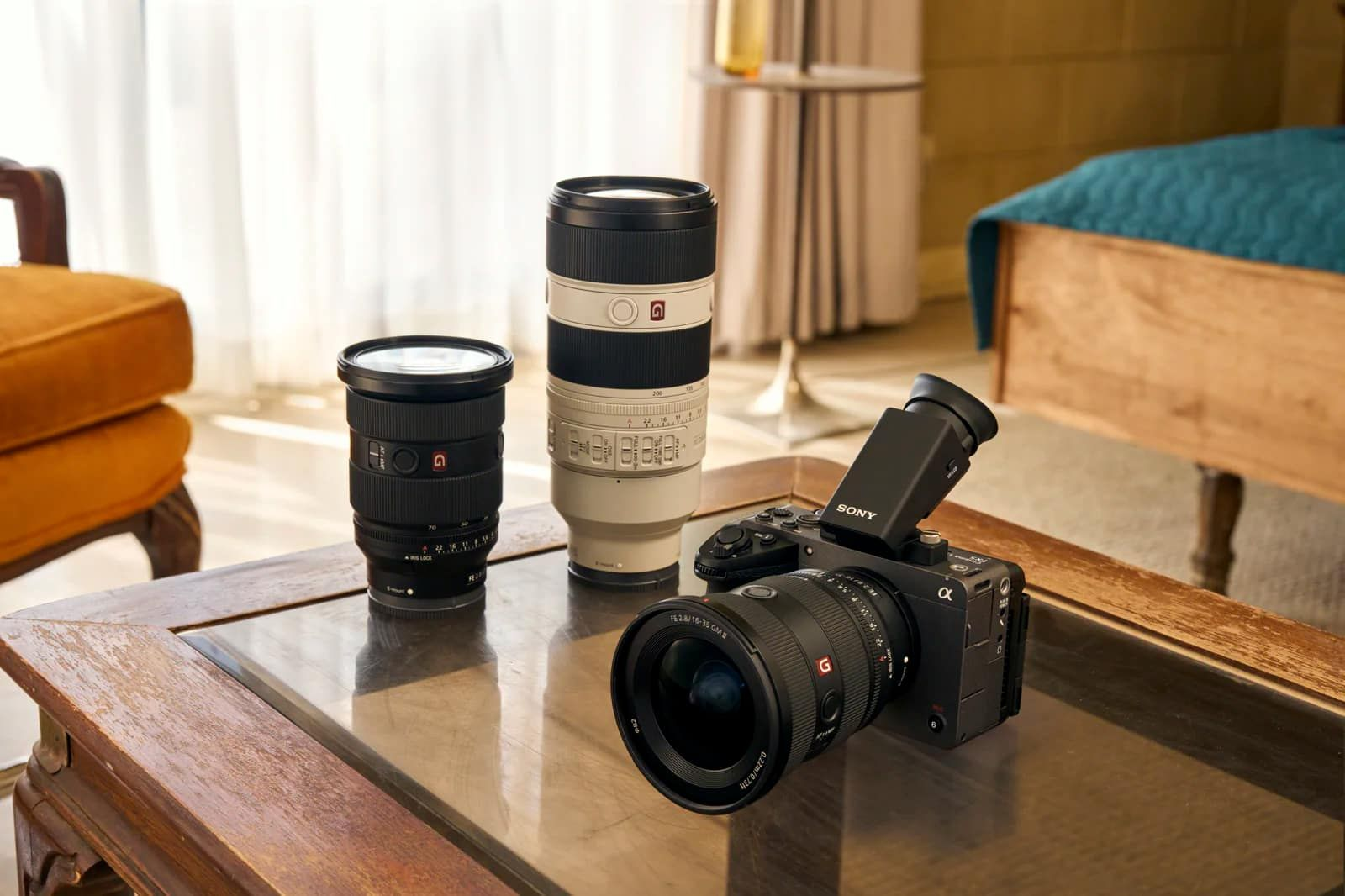
The SHX1 records ProRes RAW HQ and ProRes RAW internally to CFexpress Type B. Blackmagic RAW records only to an external USB-C SSD.
The FX5 records 16-bit X-OCN RAW internally, in LT plus the new C1 and C2 options. It requires VPG400-validated cards.
Both offer Open Gate. On the SHX1 it’s in Blackmagic RAW at 6K 24p with a slight crop, at 6K 30p and at 5.1K 60p in 3:2. On the FX5 it’s a 3:2 full-sensor mode in X-OCN, at up to 4992 × 3328. BRC’s open gate explainer covers the format.
ND Filters
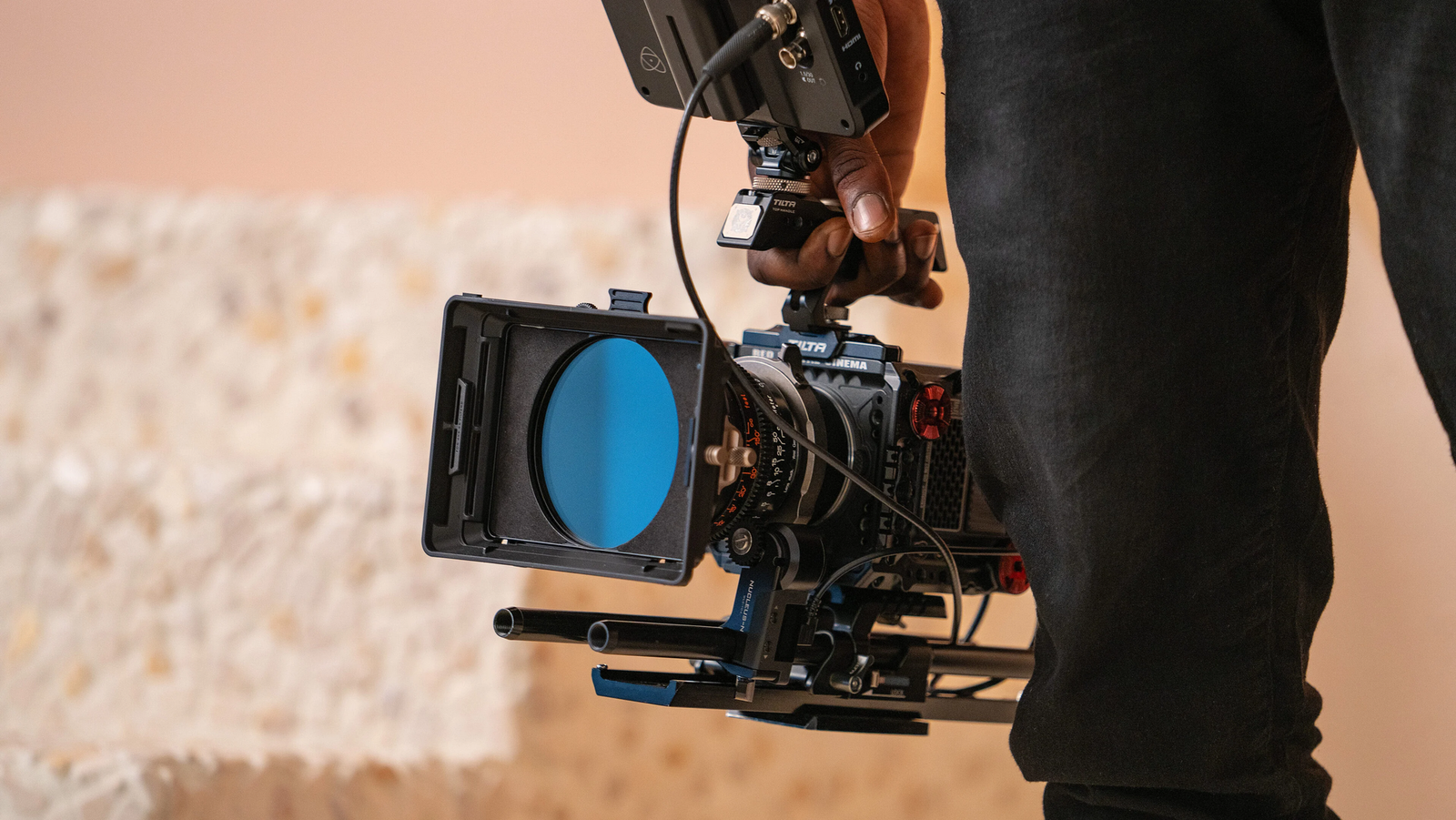
Neither camera has an internal ND filter. Launch coverage notes the FX5 lacks the electronic variable ND found on Sony’s FX6, and the SHX1 has none either.
That removes the SHX1’s missing ND as a point of difference. BRC’s best ND filters for the Sony FX5 guide applies to both bodies.
Stabilization and Monitoring
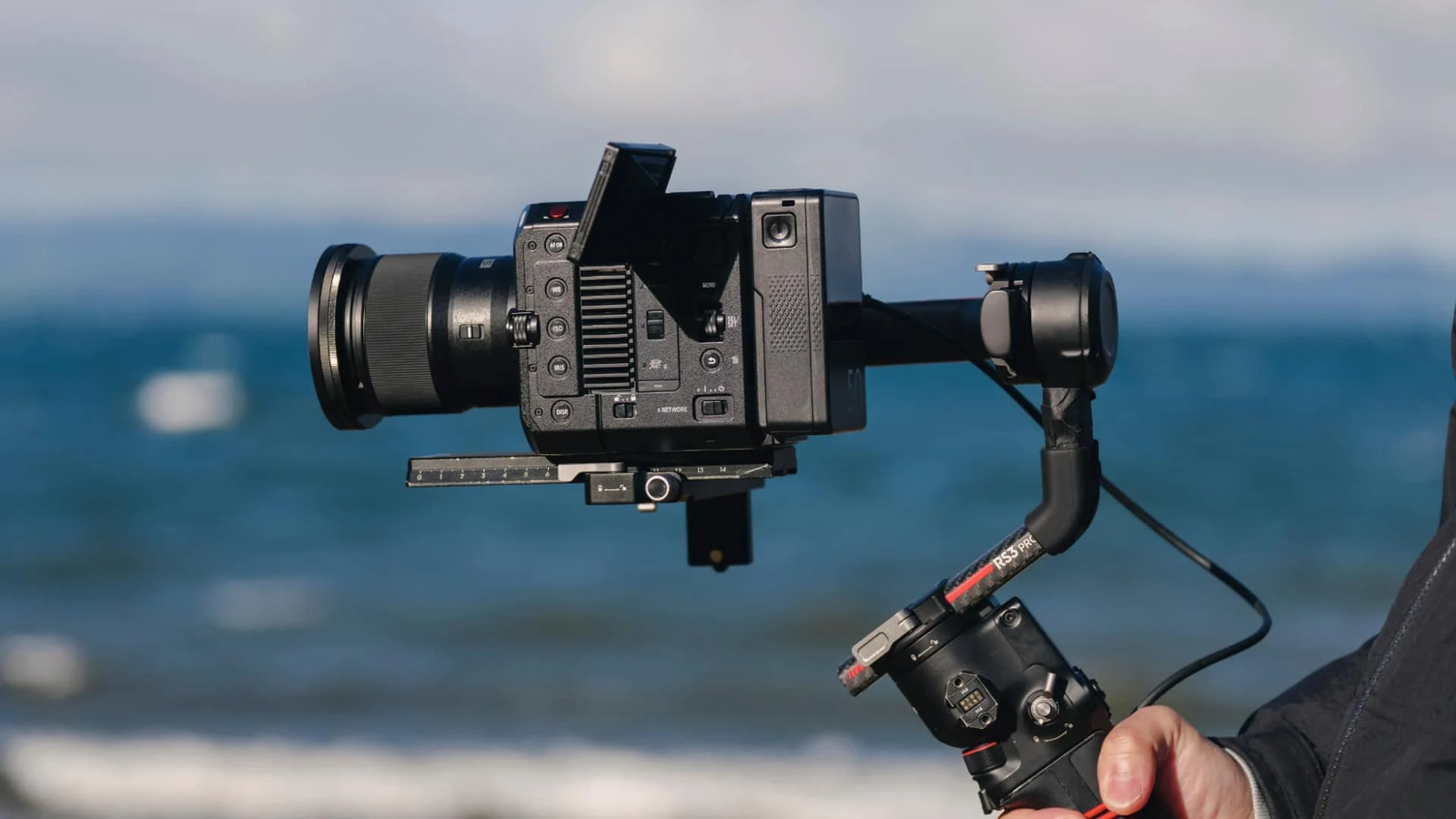
The SHX1 has 5-axis body stabilization, Dual I.S. 2 and Active I.S., plus electronic stabilization with a cropless mode. It has a 3.0-inch tilt touchscreen and no viewfinder.
The FX5 has improved in-body stabilization with a Dynamic Active Mode and gyro metadata for post-stabilization. It has a 3.5-inch four-axis articulating touchscreen, and an optional removable OLED viewfinder.
Attaching the FX5’s viewfinder blocks the hot-shoe XLR audio, according to PetaPixel’s launch coverage.
Audio
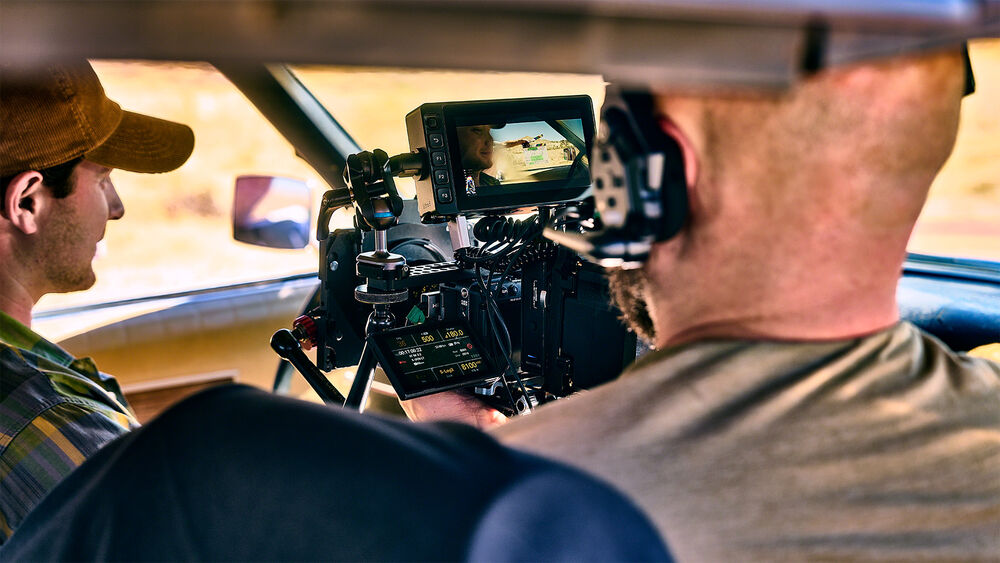
Both record 32-bit float audio. The SHX1 records it internally through the 3.5mm mic input, and its optional XLR handle adds 4-channel 32-bit float and 96kHz/24-bit audio.
The FX5’s optional XLR-H2 handle records 96kHz/32-bit float audio. BRC’s piece on 32-bit float audio and gain covers how it works.
CineD notes the SHX1 can’t record 32-bit float audio when recording Blackmagic RAW to an SSD.
Ports, Power and Media
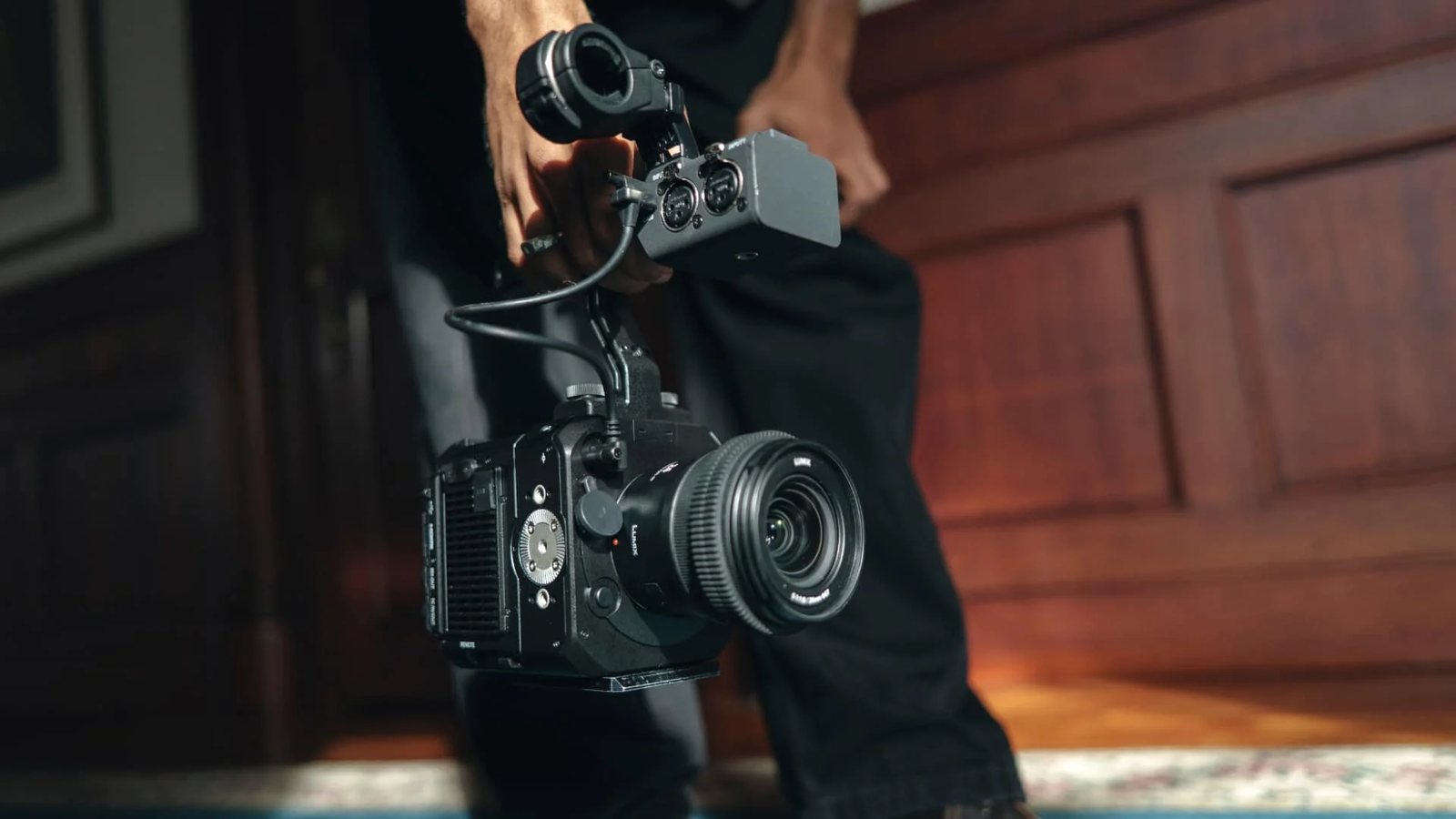
The SHX1 has 12G-SDI up to 4K 60p, HDMI Type A, BNC timecode in and out, and two locking USB-C ports. It uses Micro V-mount batteries and USB-C power delivery, with dual CFexpress Type B and SD slots.
The FX5 has HDMI Type A, wired LAN, two USB-C ports and Wi-Fi. Timecode comes through an optional USB-C-to-BNC cable. It uses Sony’s NP-SA100 battery, with dual CFexpress Type A and UHS-II SD slots.
The FX5 has no SDI output in the specs reviewed.
Size and Weight

The SHX1 weighs about 984g (2.17 lb), body only. The FX5 weighs about 734g (1.62 lb), body only, so the SHX1 is about 250g heavier.
Other Cameras in This Price Range
BRC has compared both bodies with the Blackmagic Pyxis 6K in Sony FX5 vs Blackmagic Pyxis 6K, and covered Canon’s option in Canon C80 vs Sony FX5. The Sony FX5 complete buying guide covers Sony’s camera in depth.
The Signal in the Noise
The two cameras are close on dynamic range and price, so the differences come down to recording workflow and hardware.
The SHX1 offers ProRes RAW internally, ARRI LogC3, 12G-SDI, Micro V-mount power and unlimited 4K 120p. The FX5 is lighter, offers a removable viewfinder and records X-OCN, which Sony pitches as VENICE-inspired.
Some of the SHX1’s details are still open. It records Blackmagic RAW only to an external SSD, and early hands-on coverage used pre-production firmware.
Sony’s 2027 firmware plans for the FX5, including 4K 240p, mean both cameras will change after launch.
If you were buying between them today, would the RAW format or the body design decide it?